American Persimmon Tree (Diospyros virginiana) - Native Fruit-Bearing Plant
$24.99
- Native North American species (Diospyros virginiana) adapted to diverse soil conditions.
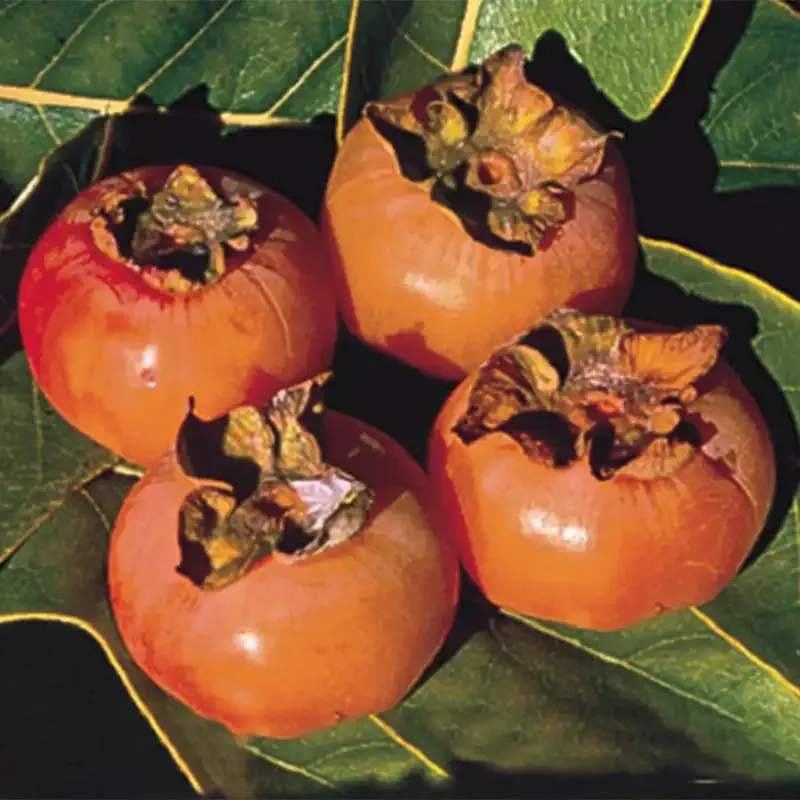
- Produces edible, sweet-fleshed fruit once fully ripened.
- Hardy perennial structure suitable for temperate climate zones.
- Supports local biodiversity and serves as a functional addition to edible landscapes.
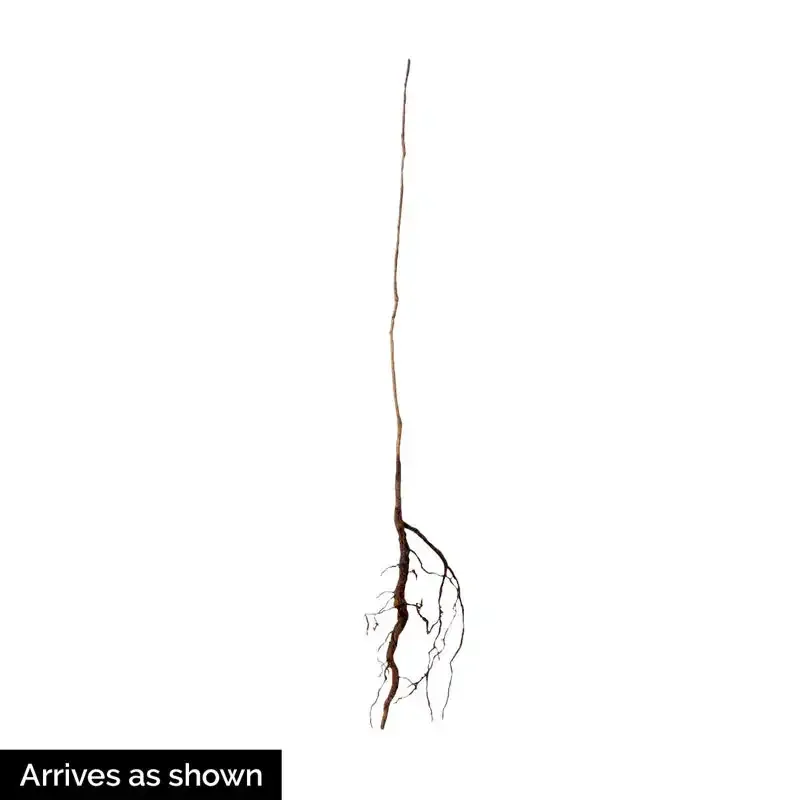
Options: 18-24 in. (Qty- 2) | Spring
Overview of the American Persimmon Plant
The American Persimmon (Diospyros virginiana) is a native North American fruit-bearing tree known for its resilience and adaptability. This species is recognized for its ability to thrive in a variety of soil types, ranging from moist bottomlands to drier upland sites. It serves as a functional component for home orchards and edible landscaping projects.
Growth and Cultivation Requirements
To ensure successful establishment, the American Persimmon requires a location with adequate sunlight exposure. While the tree is tolerant of various soil textures, proper drainage is necessary to prevent waterlogging. It is important to monitor soil moisture levels during the initial planting phase to support root development.
Fruit Production and Maturity
The tree typically enters a reproductive phase after several years of growth. Fruit maturity is highly dependent on environmental factors, including local climate and seasonal temperature variations. The fruit is characterized by its high sugar content when fully softened, which occurs late in the autumn season. Please note that fruit yield is influenced by pollination conditions; planting multiple specimens may facilitate cross-pollination in certain environments.
Maintenance and Care
- Site Selection: Select an area that provides full sun to partial shade.
- Watering: Maintain consistent soil moisture during the first two growing seasons.
- Pruning: Minimal pruning is required, primarily to remove dead or damaged branches during the dormant season.
- Climate Adaptability: This species is documented to be hardy across a wide range of temperate zones.
You May Also Like