
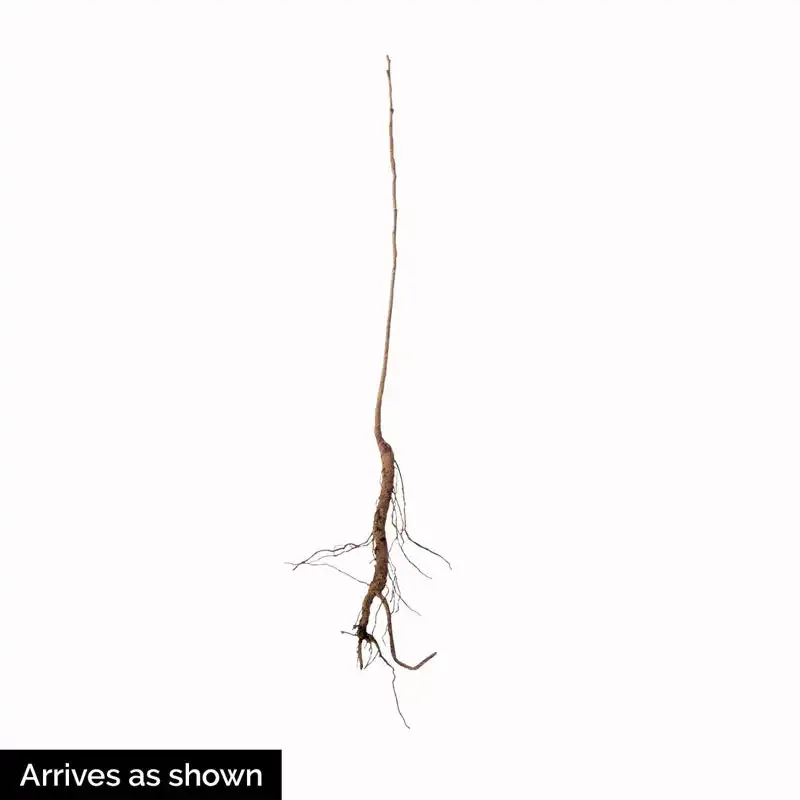
1/ 2
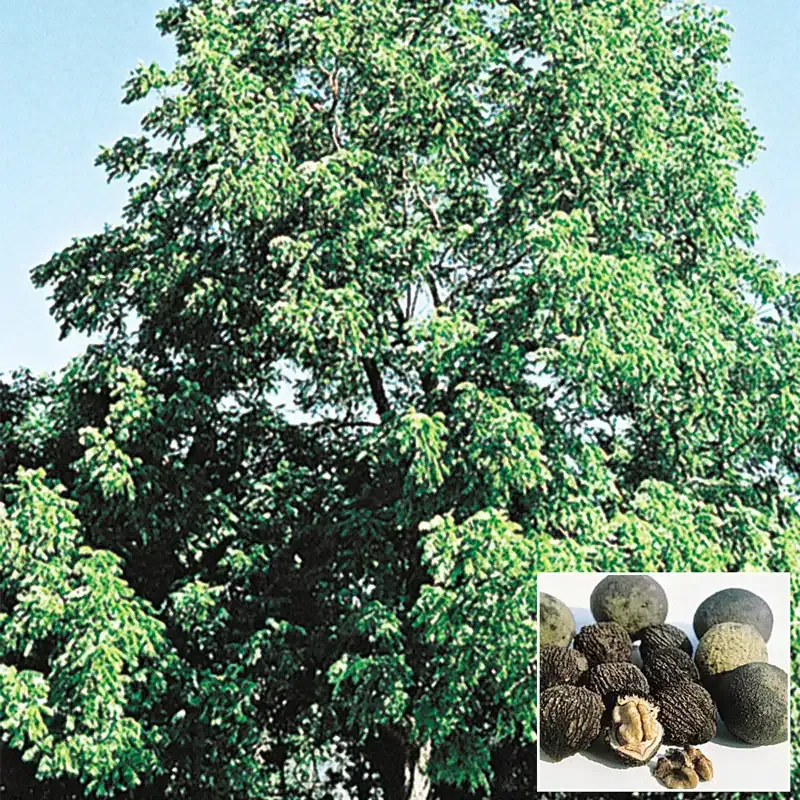
Black Walnut Tree (Juglans Nigra) Live Sapling for Garden Cultivation
$14.99
- Botanical species: Juglans nigra (Eastern Black Walnut).
- Features characteristic dark, deeply furrowed bark and compound leaves.
- Suitable for temperate climate zones with deep, well-drained soil.
- Produces edible nuts typically maturing in autumn.
- Provides dense, high-density hardwood suitable for long-term growth.
Options: 1-1/2 Ft. (Qty- 1) | Spring
Black Walnut Tree (Juglans Nigra) Overview
The Black Walnut tree is a deciduous species native to North America, recognized for its distinct growth pattern and structural characteristics. This specimen is provided as a healthy sapling, suitable for planting in environments that meet its specific biological requirements. The tree is characterized by its dark, furrowed bark and pinnately compound leaves, which provide a dense canopy during the growing season.
Growth and Environmental Requirements
To ensure proper development, this tree requires deep, fertile, and well-drained soil. It is a light-demanding species and should be planted in locations that receive full sun exposure. The root system of the Juglans nigra is deep and taproot-dominant, which contributes to its overall stability as it matures.
Maintenance and Characteristics
- Soil Conditions: Thrives in neutral to slightly alkaline soil pH levels.
- Watering: Requires consistent moisture during the initial establishment phase, particularly in the first two years after planting.
- Nut Production: The tree produces edible nuts enclosed in a thick, semi-fleshy husk, which typically ripen and fall during the autumn months.
- Wood Density: As the tree matures, it develops a dense heartwood, which is a recognized biological feature of the species.
You May Also Like
$5.59$6.99
$24.99
$29.99

Foods & Fertilizers
Balanced Vegetable Garden Fertilizer for Soil Nutrient Support
$17.99