Bloomstruck Reblooming Hydrangea Macrophylla Shrub
$89.99
- Features repetitive blooming cycles from early summer through the first frost.
- Equipped with robust, dark-colored stems that provide structural support for heavy flower heads.
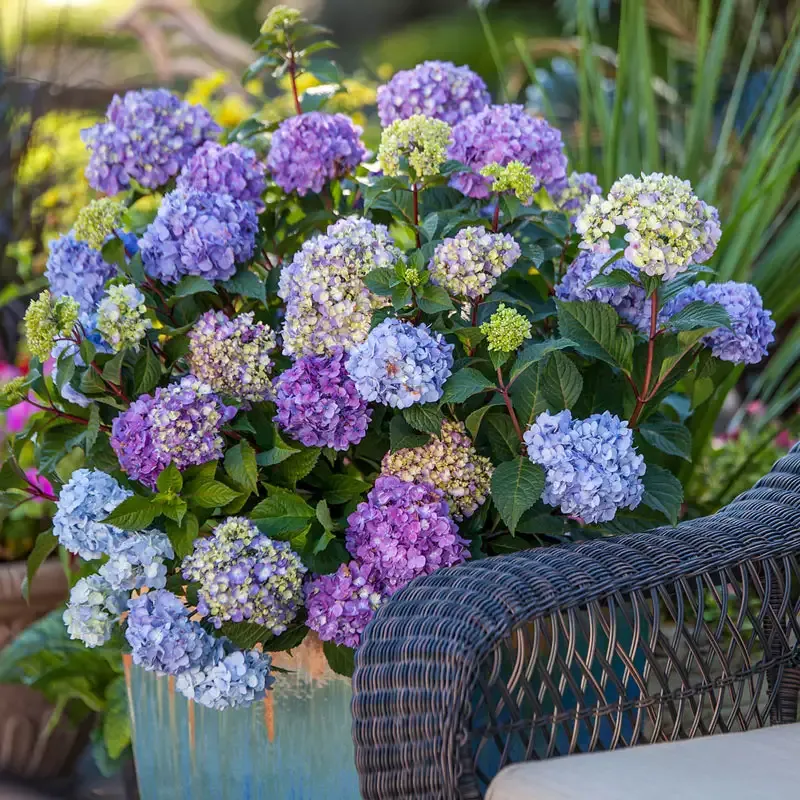
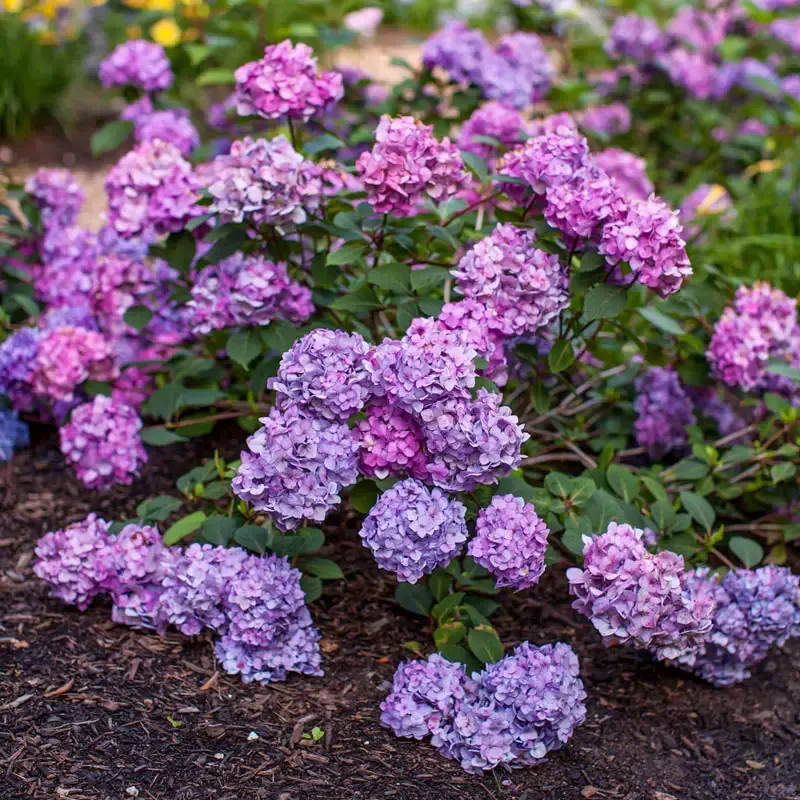
- Displays color-changing blooms that shift between blue and pink based on soil acidity.
- Demonstrates increased tolerance to common environmental stressors compared to traditional varieties.
- Suitable for container gardening or direct landscape planting in various garden layouts.
Options: Jumbo (Qty- 1) | Spring
Overview of the Bloomstruck Hydrangea
This hydrangea variety is engineered to provide an extended flowering season, producing blooms on both old and new wood. This characteristic ensures that the plant continues to produce flowers throughout the summer months, even if early season growth is affected by late frosts.
Structural Integrity and Growth Habits
The plant is characterized by thick, dark-colored stems that offer structural support. This design helps maintain the upright position of the large flower clusters, reducing the tendency for stems to bend or break under the weight of the blooms. The foliage is deep green with a glossy texture, providing a consistent backdrop for the flowers.
Color Variation and Soil Interaction
The flower color is influenced by the pH levels of the soil. In acidic soil conditions, the blooms typically exhibit blue hues, while alkaline soil conditions promote pink or lavender tones. Gardeners can manage these color shifts through standard soil amendments if specific color outcomes are desired.
Cultivation and Maintenance
- Light Requirements: Performs effectively in partial shade environments.
- Watering Needs: Requires consistent soil moisture, particularly during high-temperature periods to maintain turgor pressure in leaves and flowers.
- Pruning: Minimal pruning is required; removal of spent blooms can encourage further flowering cycles.
- Hardiness: Designed to withstand a range of temperature fluctuations, though protection may be necessary in extreme winter climates.
You May Also Like