Bluecrop Northern Highbush Blueberry Hedge Shrub
$29.99
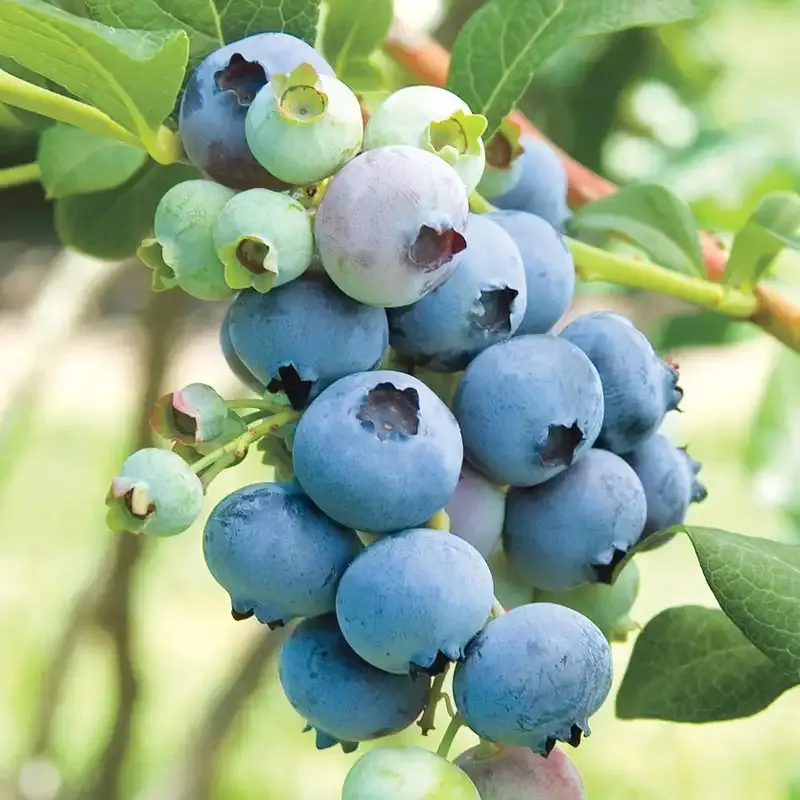
- Produces medium-to-large, light blue berries with balanced flavor profiles.
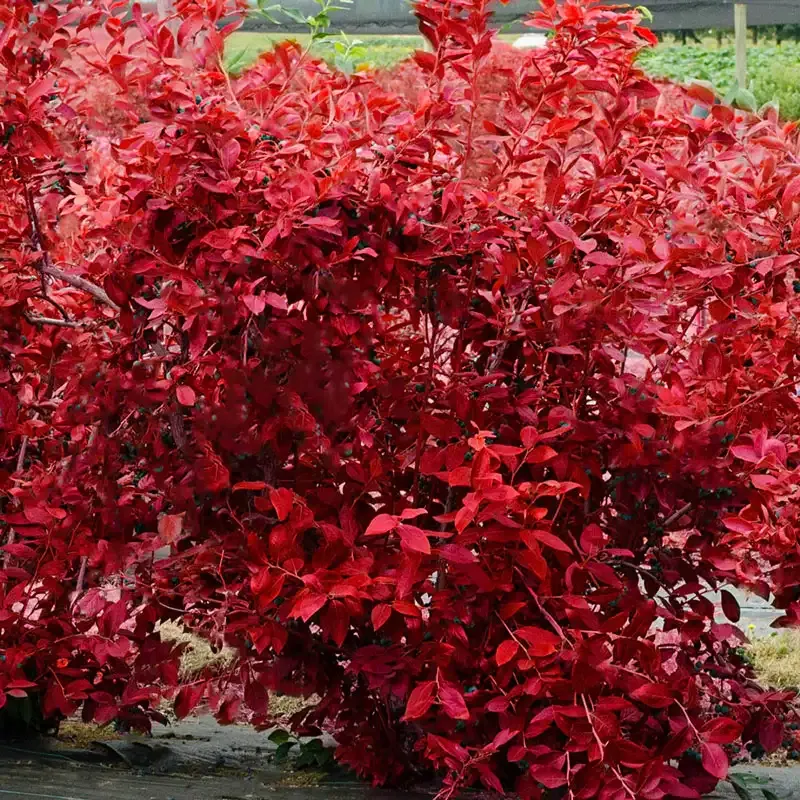
- Features an upright, vigorous growth habit suitable for hedge or garden planting.
- Demonstrates high tolerance to common soil-borne diseases and root rot.
- Requires cross-pollination with other Northern Highbush varieties for optimal fruit production.
- Adapts to diverse climates within the Northern Highbush hardiness zones.
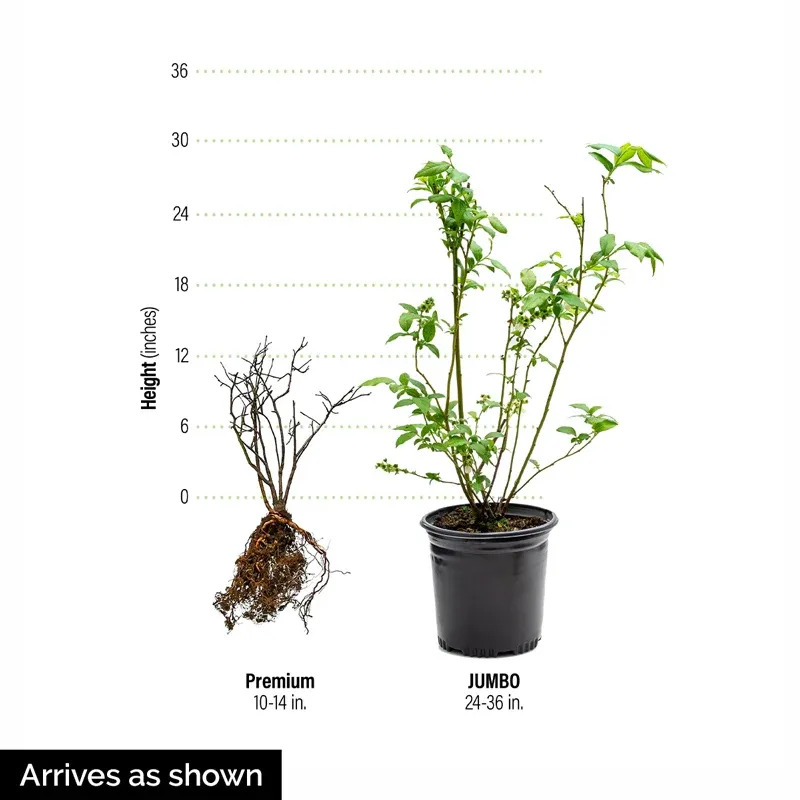
Options: Premium (Qty- 1) | Spring
Bluecrop Northern Highbush Blueberry Overview
The Bluecrop variety is a standard selection for Northern Highbush blueberry cultivation. Known for its structural integrity and consistent production, this shrub provides a reliable option for home gardens and managed landscapes. Its vigorous, upright growth habit makes it suitable for use as a productive hedge or as an individual specimen plant.
Growth and Cultivation Characteristics
This variety is recognized for its ability to maintain productivity across various soil types, provided the soil remains acidic and well-drained. The plant exhibits a natural resistance to common fungal issues that often affect blueberry foliage, contributing to a more stable growth cycle throughout the season. Proper pruning is recommended to maintain the upright structure and encourage airflow, which supports fruit development.
Pollination and Fruit Set
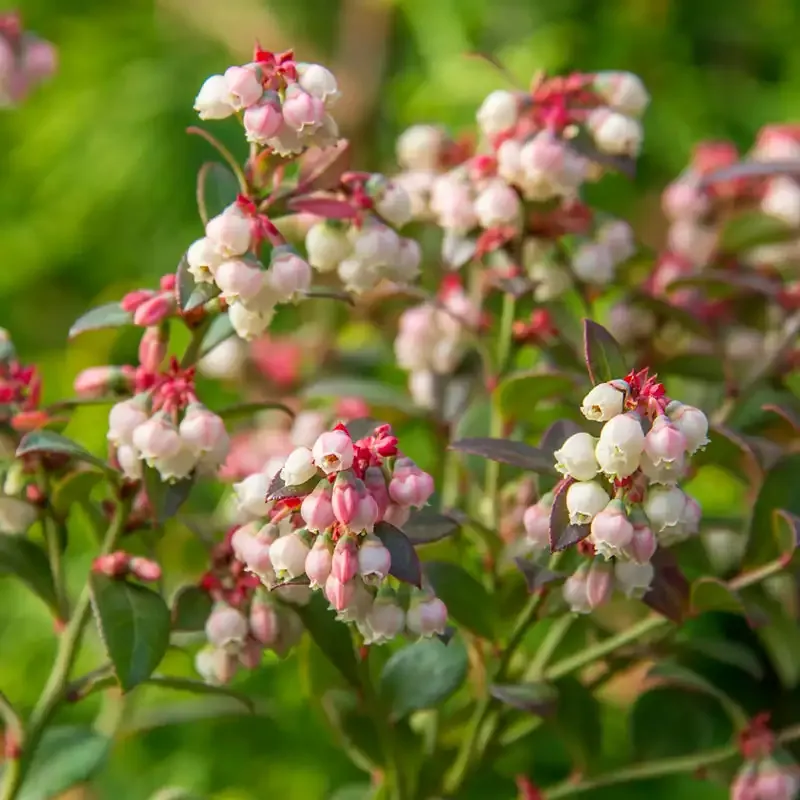
To ensure consistent fruit yields, Bluecrop requires cross-pollination with other Northern Highbush blueberry varieties. Planting multiple varieties in proximity facilitates effective pollination, resulting in a more abundant harvest of medium-to-large, firm berries. The fruit is characterized by its light blue color and resistance to cracking, making it suitable for fresh consumption or preservation.
Maintenance Requirements
- Soil pH: Requires acidic soil conditions (pH 4.5 to 5.5) for nutrient uptake.
- Watering: Needs consistent moisture, particularly during the fruit development phase.
- Pruning: Annual pruning is necessary to remove older canes and stimulate new growth.
- Sunlight: Thrives in full sun exposure for maximum fruit production.
You May Also Like