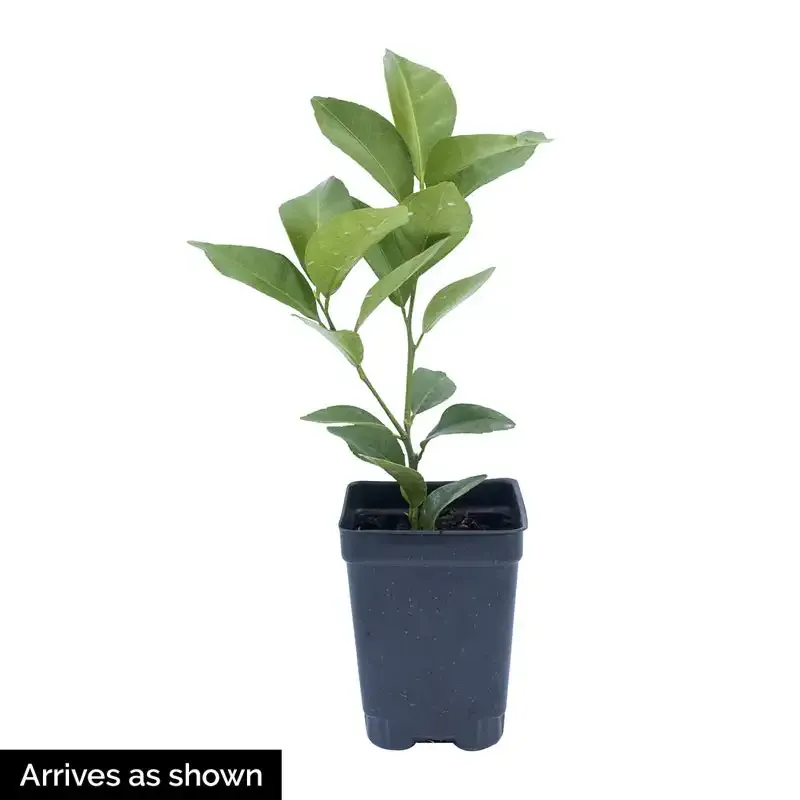
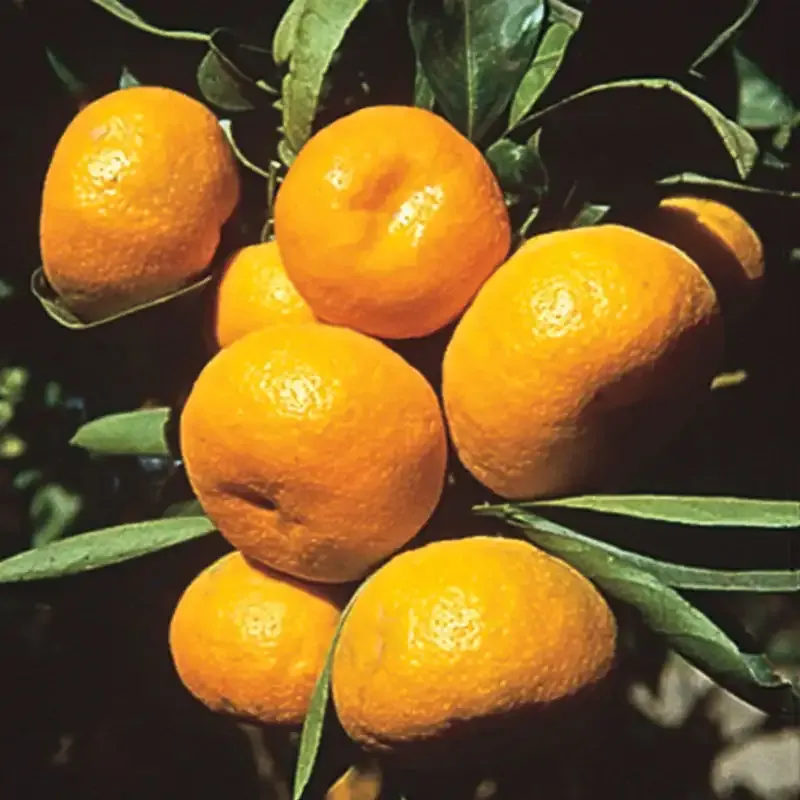
Dwarf Cleopatra Mandarin Citrus Tree for Home Gardens
$9.99
- Compact growth habit suitable for container gardening and small spaces.
- Produces small, flavorful mandarin oranges with a distinct aromatic profile.
- Evergreen foliage provides year-round greenery for patios or sunrooms.
- Adaptable to various soil types with proper drainage and consistent sunlight exposure.
Options: 1 Potted Plant | Spring
Overview of the Dwarf Cleopatra Mandarin
The Dwarf Cleopatra Mandarin is a recognized citrus variety valued for its manageable size and ornamental appeal. This cultivar is specifically selected for its ability to thrive in restricted root spaces, making it a functional choice for container gardening or smaller landscape footprints. The tree maintains a dense canopy of evergreen leaves, contributing to garden aesthetics throughout the year.
Cultivation and Growth Characteristics
This mandarin variety exhibits a slow to moderate growth rate, which allows for easier pruning and canopy management. When planted in containers, the tree requires a well-draining potting medium to prevent root saturation. It is responsive to regular fertilization schedules designed for citrus plants, ensuring the necessary nutrients are available during the flowering and fruiting stages.
Environmental Requirements
- Light Exposure: Requires full sun exposure, ideally 6 to 8 hours of direct sunlight daily to support fruit development.
- Temperature Management: Best suited for temperate to subtropical climates; protection from frost is necessary in colder regions.
- Watering Needs: Consistent moisture is required, though the soil should be allowed to dry slightly between waterings to maintain root health.
- Soil Conditions: Prefers slightly acidic to neutral soil pH levels with high organic matter content.
Fruit Production
The Cleopatra Mandarin produces small, deep-orange fruits characterized by a thin rind and a distinct flavor profile. Fruit set typically occurs after the tree reaches maturity, with harvest timing dependent on local climate conditions and seasonal temperatures. Regular monitoring for common citrus pests is recommended to maintain plant vigor.
You May Also Like