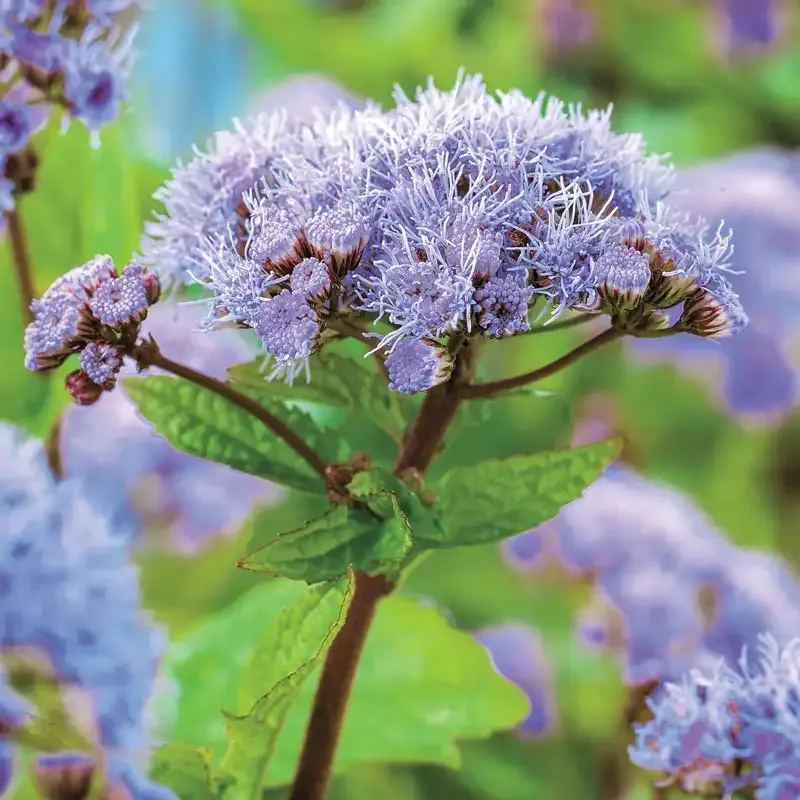
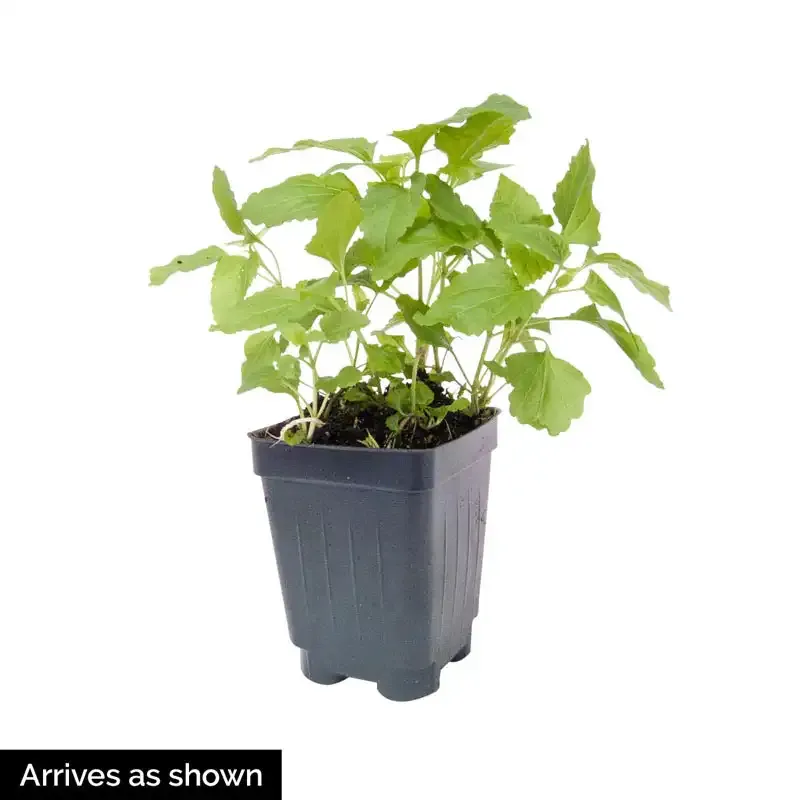

Hardy Ageratum (Conoclinium coelestinum) Blue Mistflower Perennial Plant
$14.99
- Features distinct blue-violet fuzzy flower clusters that bloom in late summer and autumn.
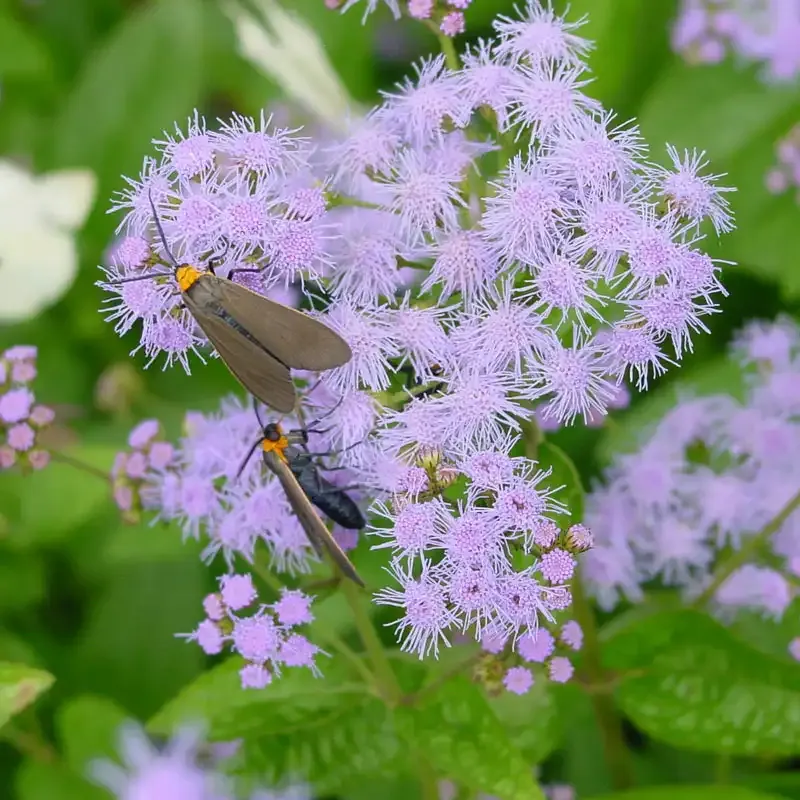
- Functions as a nectar source for native pollinators, including butterflies and bees.
- Adapts to various soil types, including moist and well-drained conditions.
- Provides reliable perennial growth in USDA zones 5 through 9.
- Reaches a mature height of 1 to 3 feet, suitable for borders and naturalized garden areas.
Hardy Ageratum: A Native Perennial for Naturalized Landscapes
The Hardy Ageratum, scientifically known as Conoclinium coelestinum, is a herbaceous perennial recognized for its late-season blue-violet blooms. Often referred to as Blue Mistflower, this plant is a common choice for gardeners looking to incorporate native species into their landscape design. It provides a consistent aesthetic during the transition from summer to autumn.
Growth Characteristics and Maintenance
This plant is characterized by its spreading habit, which allows it to form colonies over time. To manage its growth, regular monitoring is recommended. It thrives in locations that receive full sun to partial shade. While it is adaptable to different soil moisture levels, it performs consistently in moist, fertile soils.
Pollinator Support
The structure of the Ageratum flower makes it accessible to a variety of local pollinator species. By including this plant in a garden, you provide a seasonal food source for butterflies, bees, and other beneficial insects during the late summer months when other nectar sources may be scarce.
Planting and Care Guidelines
- Light Requirements: Full sun to partial shade.
- Soil Preference: Prefers moist, well-drained soil but tolerates a range of soil textures.
- Pruning: Cut back stems after the first frost to maintain a tidy garden appearance.
- Hardiness: Suitable for cultivation in USDA hardiness zones 5 through 9.
- Spacing: Allow sufficient space for the plant to spread naturally as it establishes its root system.
You May Also Like