Legacy Blueberry Hedge Fruit-Bearing Shrub for Garden Landscaping
$29.99
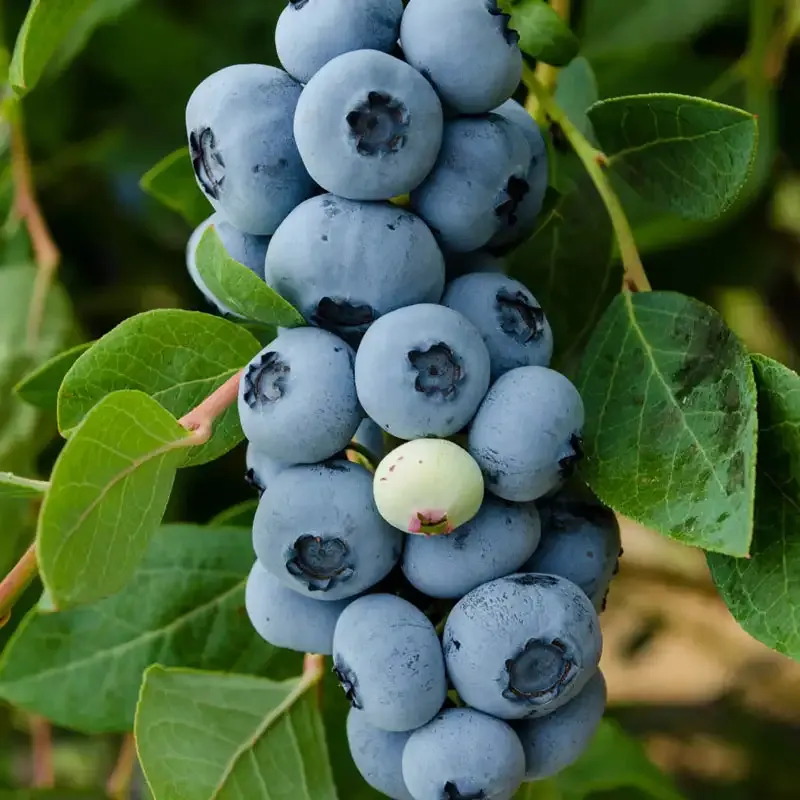
- Produces consistent yields of firm, flavorful blueberries throughout the harvest season.
- Features a dense growth habit suitable for creating natural privacy screens or garden borders.
- Displays high adaptability to various soil conditions and moderate climate zones.
- Maintains structural integrity with a sturdy, upright branching system.
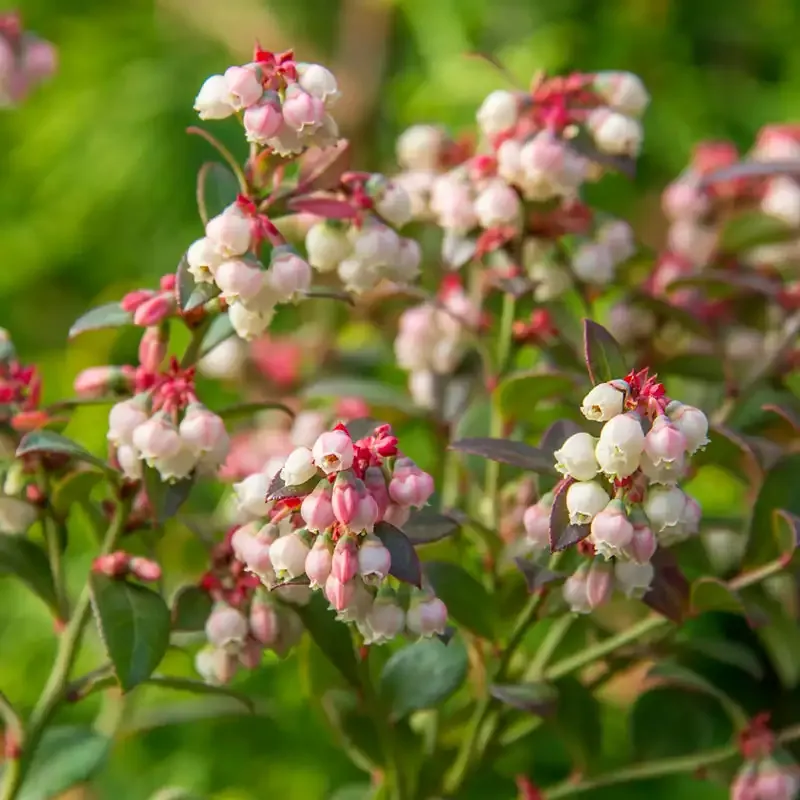
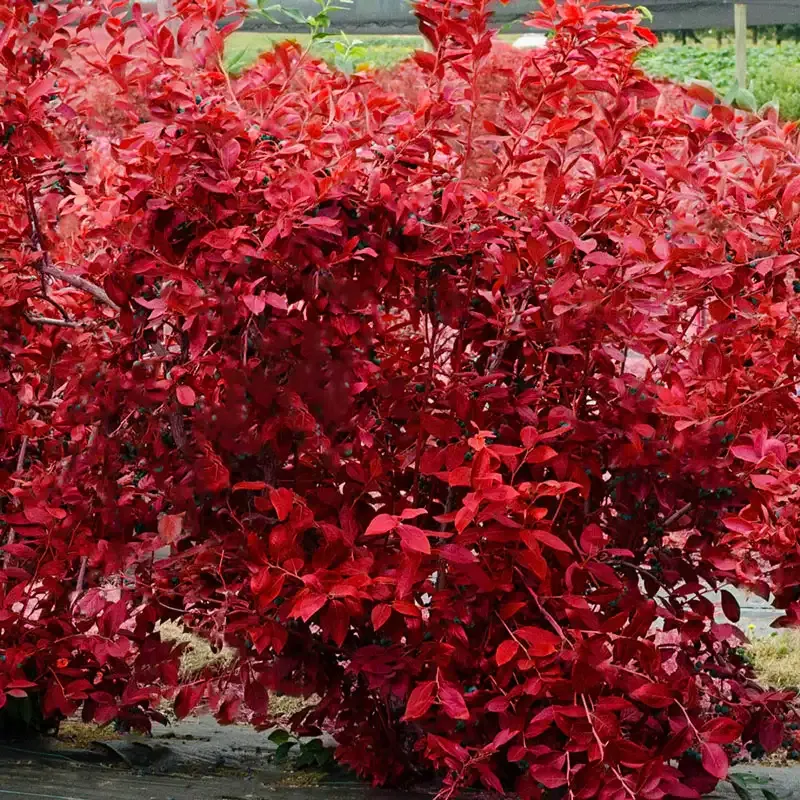
- Provides seasonal aesthetic value with white spring blossoms and vibrant autumn foliage.
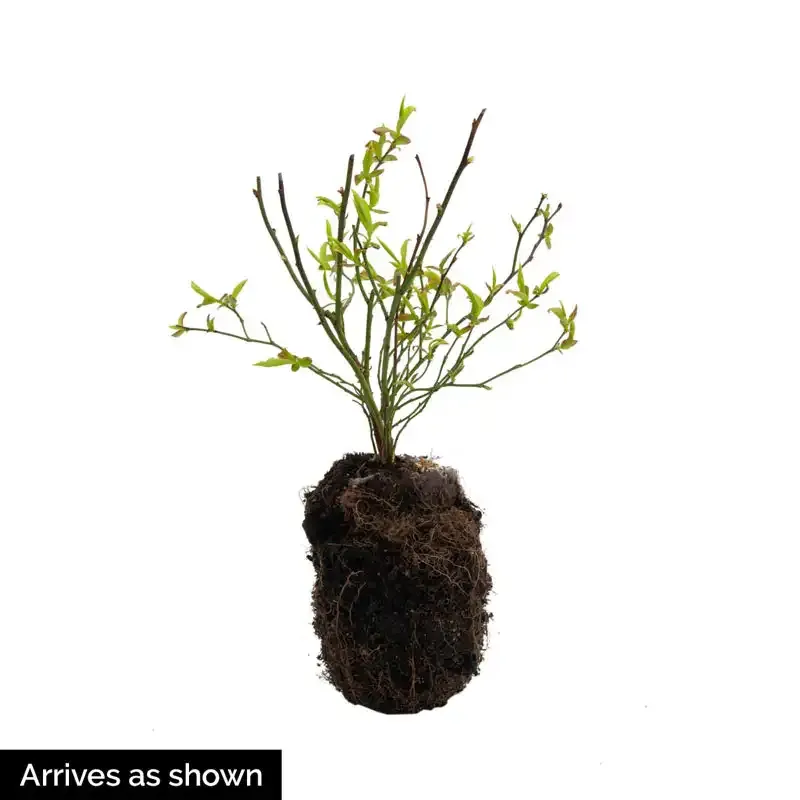
Options: Premium (Qty - 1) | Spring
Legacy Blueberry Hedge: Functional Landscaping and Harvest
The Legacy Blueberry Hedge serves as a dual-purpose addition to residential and commercial landscapes. Designed for both aesthetic appeal and practical utility, this shrub variety offers a dense foliage structure that functions effectively as a natural privacy screen or garden perimeter. Its consistent growth pattern allows for uniform spacing, aiding in the creation of structured hedge lines.
Product Characteristics and Growth
This variety is recognized for its structural stability and reliable fruit production. The plant develops a robust root system capable of establishing in diverse soil types, provided adequate drainage is maintained. The foliage density increases over successive growing seasons, contributing to its effectiveness as a visual barrier.
Seasonal Performance
- Spring: Produces clusters of white flowers that support local pollinator activity.
- Summer: Develops firm, medium-sized blueberries suitable for various culinary applications.
- Autumn: Foliage transitions to shades of red and orange, providing seasonal color variation in the landscape.
Planting and Maintenance Guidelines
To ensure optimal development, the Legacy Blueberry Hedge requires a location with consistent access to sunlight. Regular pruning is recommended to maintain the desired hedge height and to encourage airflow through the canopy, which supports overall plant health. Soil pH levels should be monitored to ensure they remain within the acidic range preferred by this species for nutrient uptake.
You May Also Like