McIntosh Apple Tree - Productive Deciduous Fruit Tree for Home Landscapes
$59.99
- Classic McIntosh variety known for its distinct aromatic flavor and tender texture.
- Cold-hardy deciduous tree suitable for various temperate climate zones.
- Consistent annual producer when provided with adequate cross-pollination.
- Adaptable to diverse soil types with proper drainage and sun exposure.
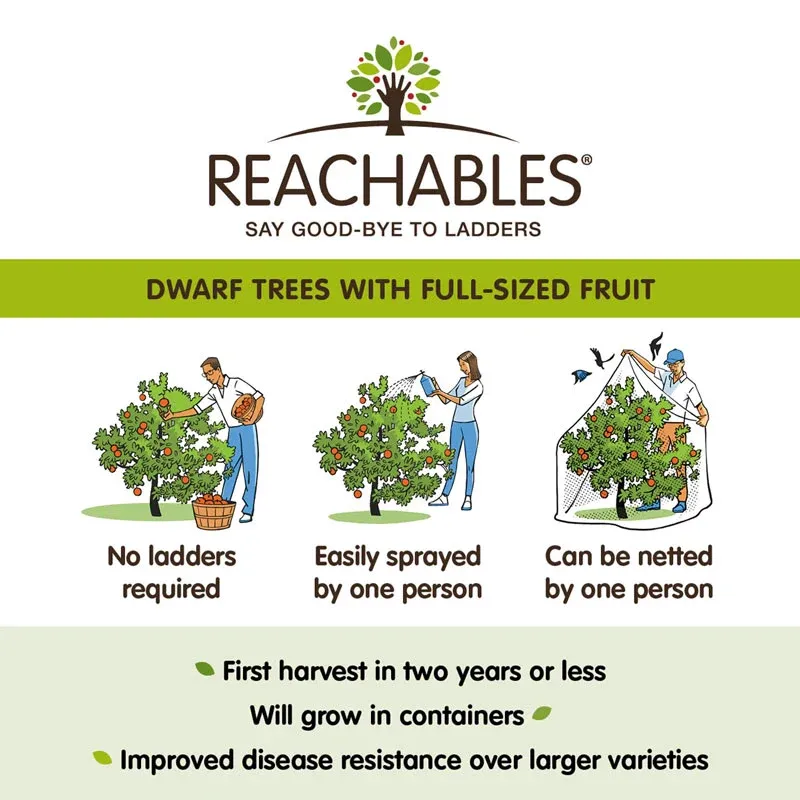
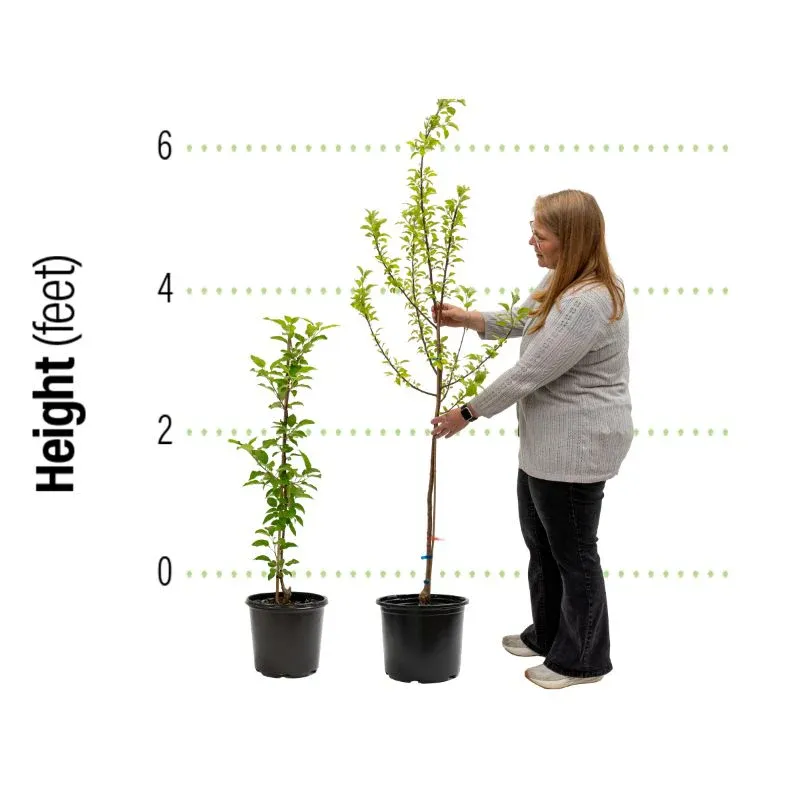
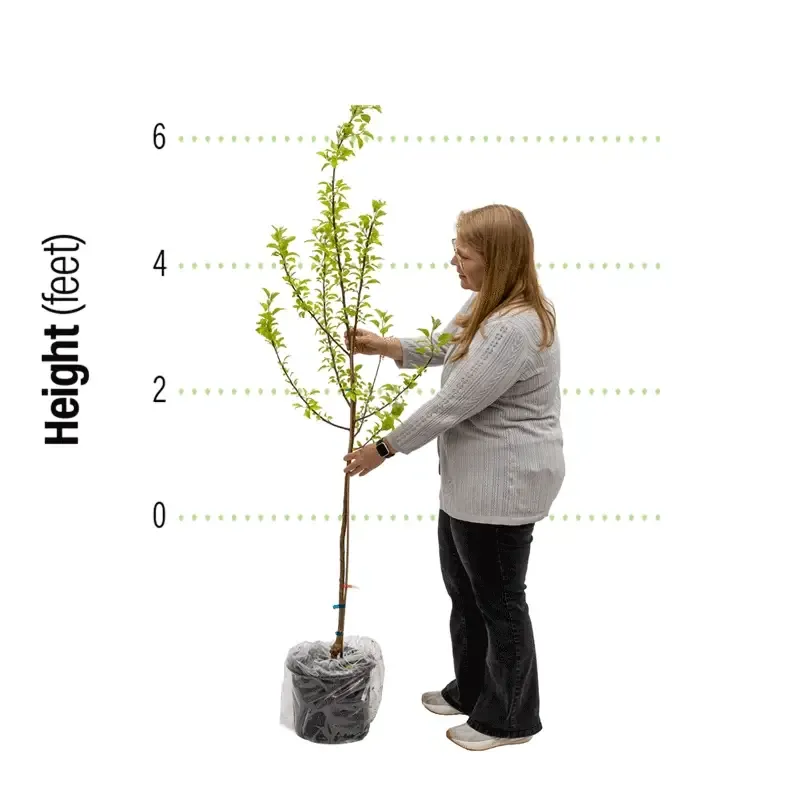
Options: 2-4 Ft. Reachables® Tree (Qty- 1) | Fall & Spring
McIntosh Apple Tree Overview
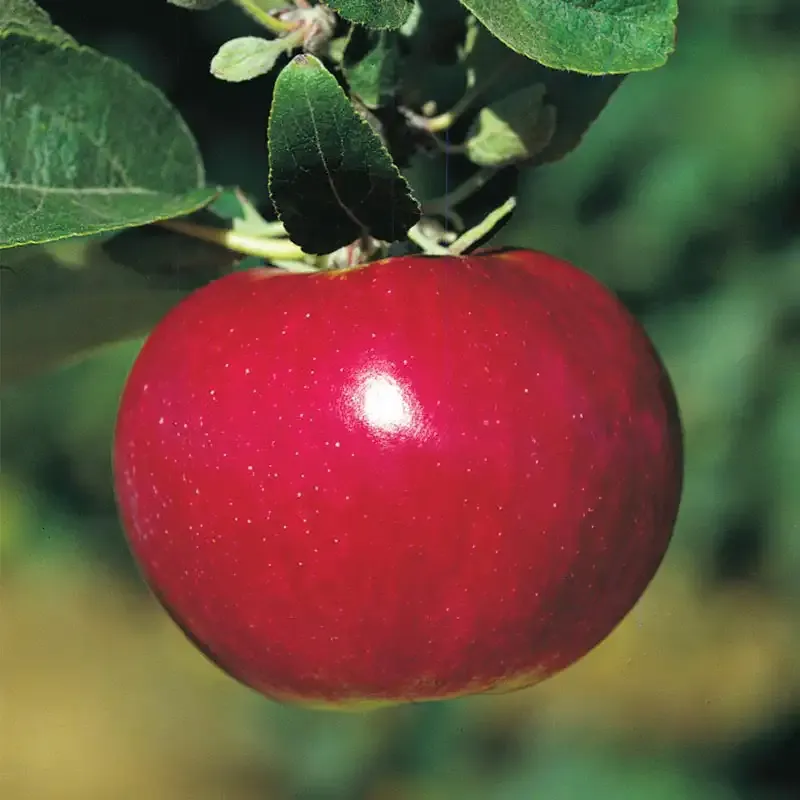
The McIntosh apple tree is a widely recognized deciduous fruit tree valued for its consistent production of aromatic, crisp-fleshed fruit. This variety is well-suited for home orchards and landscapes in temperate regions, requiring a standard period of winter dormancy to thrive and produce fruit annually.
Cultivation and Growth Characteristics
To ensure optimal health and fruit development, this tree requires full sun exposure and well-draining soil. Proper spacing is essential to allow for adequate air circulation, which helps maintain tree vigor. Regular pruning during the dormant season is recommended to manage tree structure, encourage light penetration to the inner canopy, and promote healthy fruit-bearing wood.
Pollination and Fruit Development
The McIntosh apple tree is not self-fertile. To achieve successful fruit set, it requires a compatible pollination partner, such as another apple variety that blooms at the same time. Planting two or more different apple varieties within proximity facilitates cross-pollination, which is necessary for consistent crop yields.
Maintenance Considerations
- Watering: Maintain consistent soil moisture, especially during the first few years of establishment and during dry summer months.
- Disease Management: Monitor foliage and fruit regularly. Implementing standard orchard sanitation practices, such as removing fallen leaves and fruit, supports overall tree health.
- Hardiness: This variety is adapted to cold climates and requires a specific number of chilling hours to break dormancy effectively in the spring.
You May Also Like