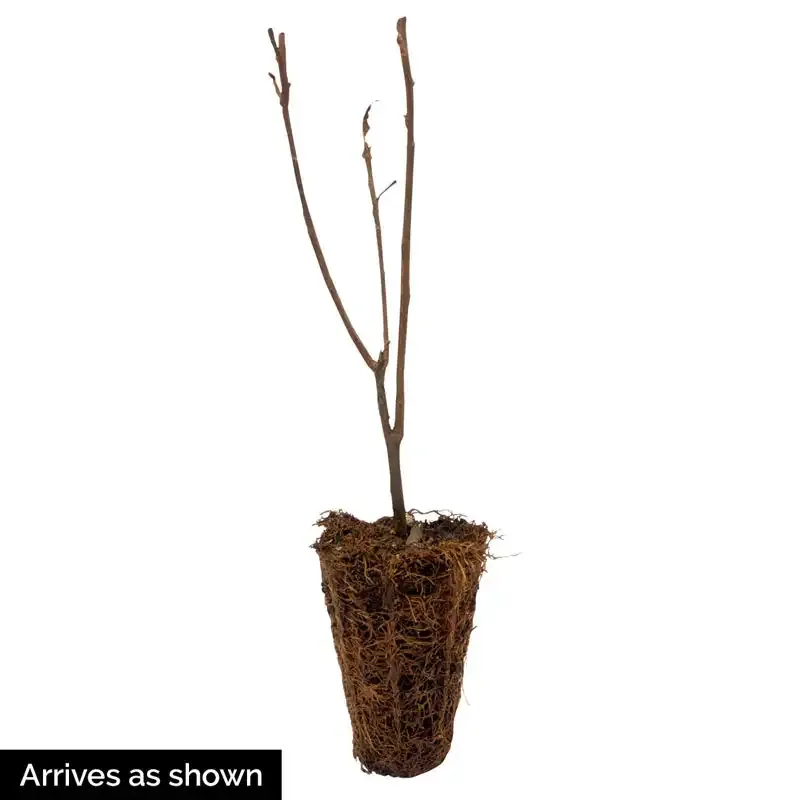
Ruby Spice Summersweet (Clethra alnifolia) Fragrant Deciduous Flowering Shrub
$17.99
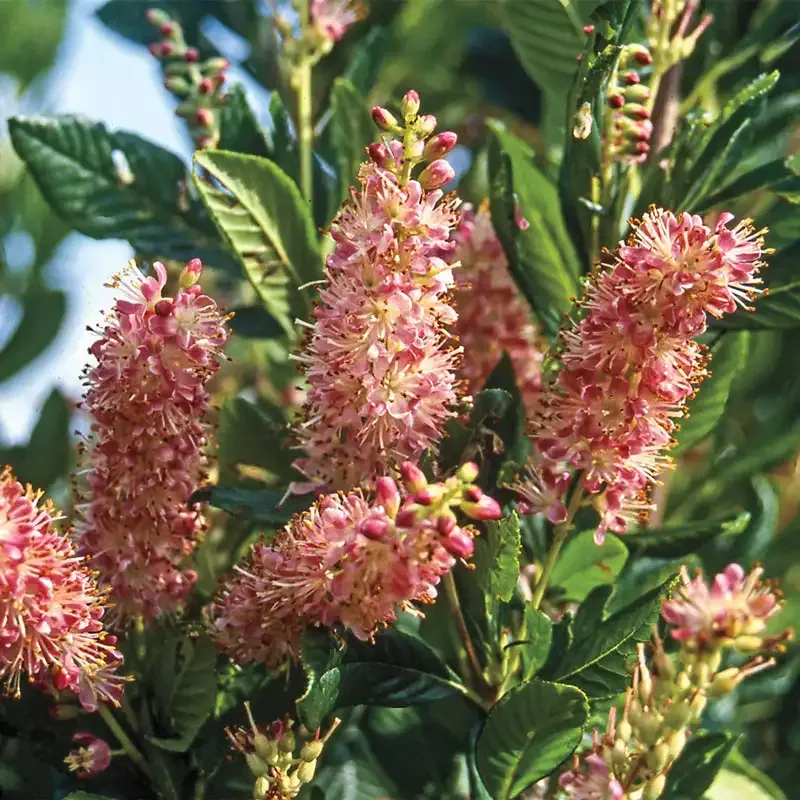
- Features deep pink, spice-scented flower spikes that bloom in mid-to-late summer.
- Deciduous shrub habit reaching 3-6 feet in height and width at maturity.
- Attracts bees, butterflies, and other essential pollinators to the garden.
- Adapts to moist, well-drained soil conditions and tolerates partial shade.
- Provides consistent foliage color and reliable seasonal flowering performance.
Overview of Ruby Spice Summersweet
The Ruby Spice Summersweet (Clethra alnifolia) is a deciduous shrub recognized for its upright growth habit and fragrant, bottlebrush-like flower spikes. This plant is suited for garden borders, rain gardens, or as a foundation planting where moist soil conditions are present. Its ability to thrive in various light conditions makes it a functional choice for diverse landscape designs.
Botanical Characteristics and Growth
This shrub is characterized by its deep pink flower racemes that emerge in mid-summer and persist through late summer. The foliage remains a consistent green throughout the growing season, providing a backdrop for the blooms. To address common maintenance concerns, this plant is cultivated to maintain a steady growth rate, ensuring a manageable shrub size that does not require excessive pruning to retain its natural form.
Cultivation and Environmental Requirements
- Light Exposure: Performs well in full sun to partial shade. Increased shade may result in fewer blooms.
- Soil Preference: Prefers acidic, moisture-retentive, and well-drained soil. It is capable of tolerating occasional wet soil conditions.
- Maintenance: Requires minimal intervention. Applying a layer of mulch helps retain soil moisture and supports root health.
- Hardiness: Adapted to various temperate climates; check local hardiness zones for specific regional suitability.
Pollinator Support
The nectar-rich flowers of the Ruby Spice Summersweet serve as a resource for local pollinator populations, including bees and butterflies. Its late-summer blooming period provides a consistent food source when many other spring-blooming plants have finished their cycle.
You May Also Like