Sultry Night Shrub Rose - Disease Resistant Garden Bush
$39.99
- Features high resistance to common fungal diseases including black spot and powdery mildew.
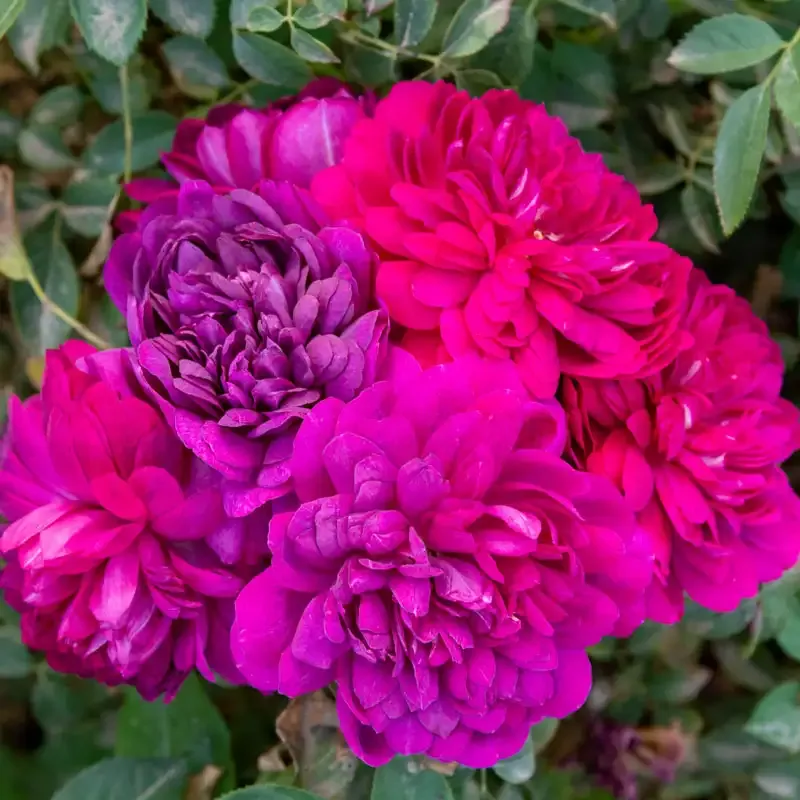
- Produces consistent, recurring blooms throughout the growing season.
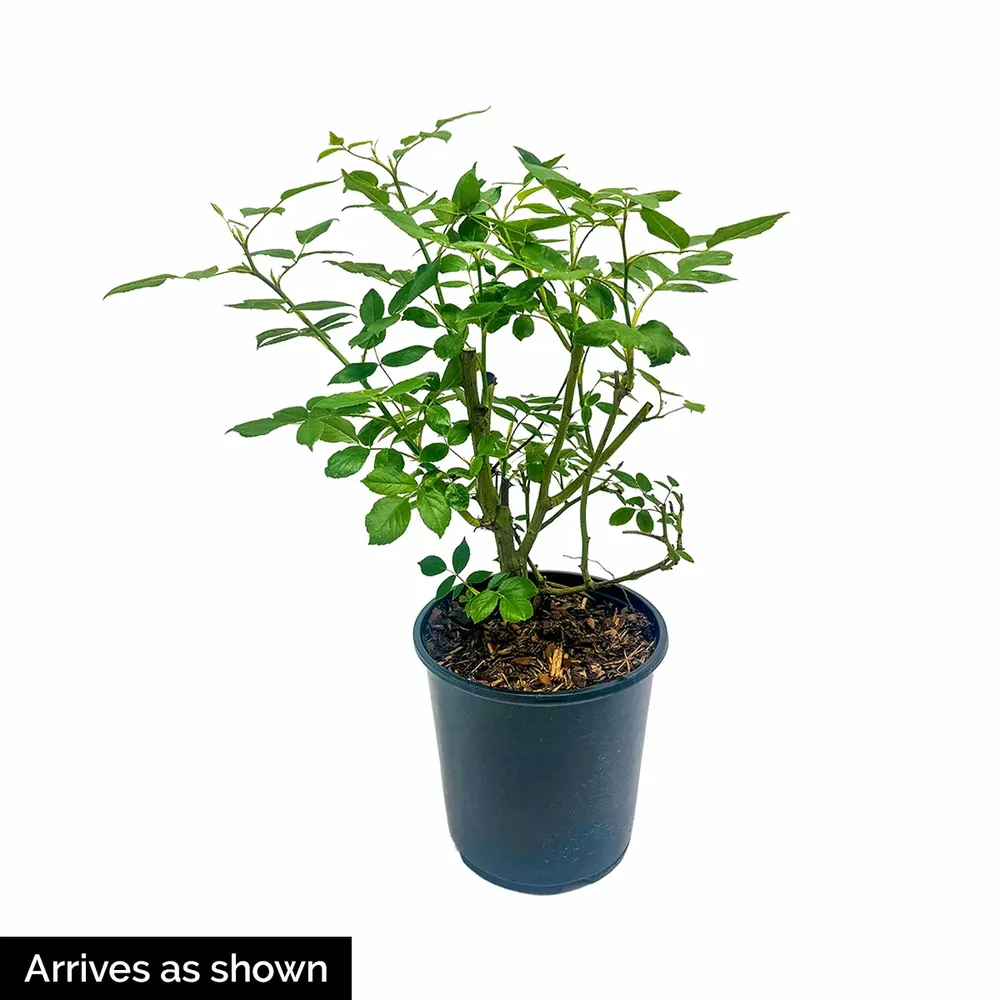
- Exhibits a compact growth habit suitable for borders and container planting.
- Displays moderate fragrance intensity suitable for outdoor garden environments.
Options: Standard (Qty- 1) | Spring
Sultry Night Shrub Rose Overview
The Sultry Night Shrub Rose is a perennial garden plant designed for consistent performance in various landscape settings. This variety is cultivated to maintain a manageable growth habit, reducing the frequency of manual pruning required to maintain its shape. Its structural integrity allows it to serve as an effective border plant or a focal point in mixed garden beds.
Disease Resistance and Maintenance
This shrub rose variety is selected for its biological resilience against common environmental stressors. It demonstrates a notable resistance to fungal issues such as black spot and powdery mildew, which often affect standard rose varieties. This trait contributes to a more stable foliage appearance throughout the summer months without the need for intensive chemical interventions.
Blooming Characteristics
The plant is categorized as a repeat-blooming shrub, providing multiple flushes of flowers from late spring until the first frost. The blooms are characterized by their color stability and moderate fragrance, which remains consistent even in fluctuating temperature conditions. The root system is established to support vigorous growth once planted in well-draining soil with adequate sun exposure.
Planting and Care Recommendations
- Sunlight Requirements: Requires a minimum of 6 hours of direct sunlight daily for optimal bloom production.
- Soil Conditions: Thrives in fertile, well-draining soil with a neutral to slightly acidic pH.
- Watering: Consistent moisture is required at the base of the plant; avoid overhead watering to maintain foliage health.
- Pruning: Light pruning in early spring is recommended to remove dead wood and encourage new growth.
You May Also Like