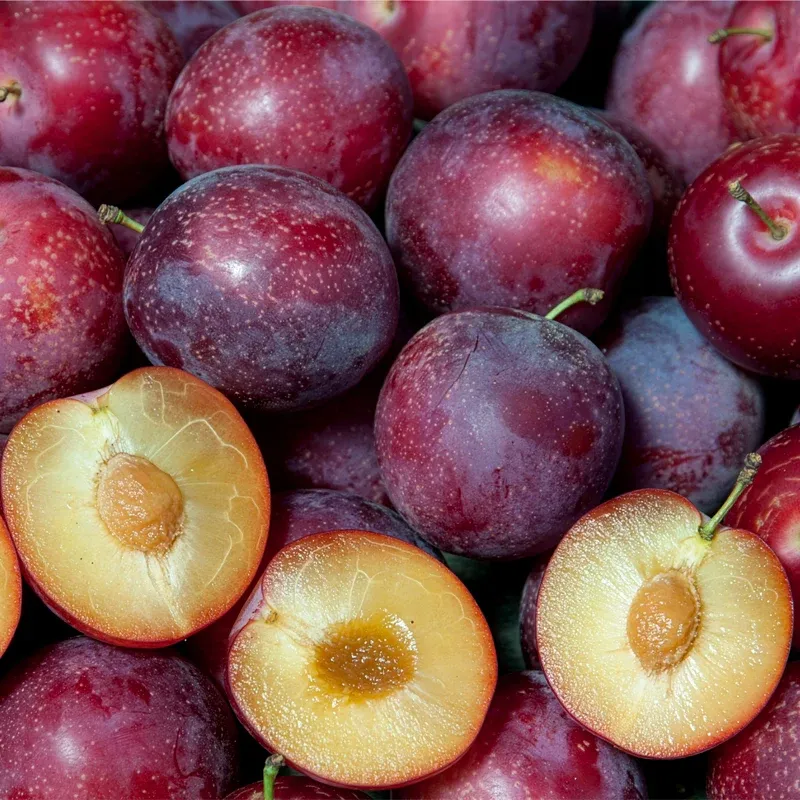
Sweet Treat Pluerry Hybrid Fruit Tree
$74.99
- Hybrid variety combining characteristics of both plum and cherry species.
- Produces fruit with a distinct flavor profile and firm texture.
- Requires specific cross-pollination partners for consistent fruit production.
- Suitable for home garden cultivation in compatible climate zones.
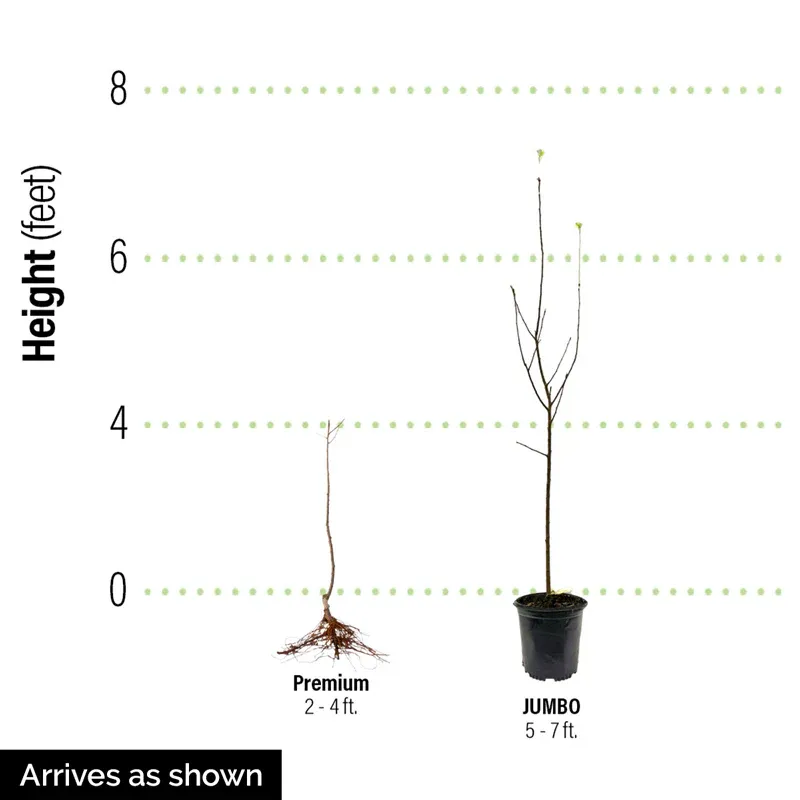
Options: 2-4 Ft. Reachables (Qty- 1) | Spring
Overview of the Sweet Treat Pluerry
The Sweet Treat Pluerry is a specialized hybrid fruit tree developed through the cross-breeding of plum and cherry varieties. This tree is designed to produce fruit that bridges the gap between the two parent species, offering a unique addition to home orchards.
Growth and Harvest Characteristics
This tree exhibits a growth habit typical of stone fruit species. The fruit is characterized by a firm flesh and a flavor profile that develops as it reaches maturity. To ensure optimal sweetness, it is recommended to monitor fruit color changes and firmness levels, as harvest timing significantly impacts the sugar content of the final crop.
Cultivation and Pollination Requirements
Successful fruit set for this hybrid requires the presence of compatible cross-pollination partners. Growers should ensure that appropriate pollinator varieties are planted within proximity to facilitate fertilization. It is essential to verify local climate zone suitability and chill hour requirements prior to planting to ensure the tree receives the necessary environmental conditions for dormancy and subsequent fruit production.
Maintenance and Care
- Site Selection: Requires a location with full sun exposure and well-draining soil.
- Pollination: Must be planted with compatible plum or other Pluerry varieties to ensure fruit development.
- Pruning: Standard stone fruit pruning practices should be applied to maintain tree structure and encourage airflow.
- Watering: Consistent moisture is necessary, particularly during the fruit development stage.
You May Also Like