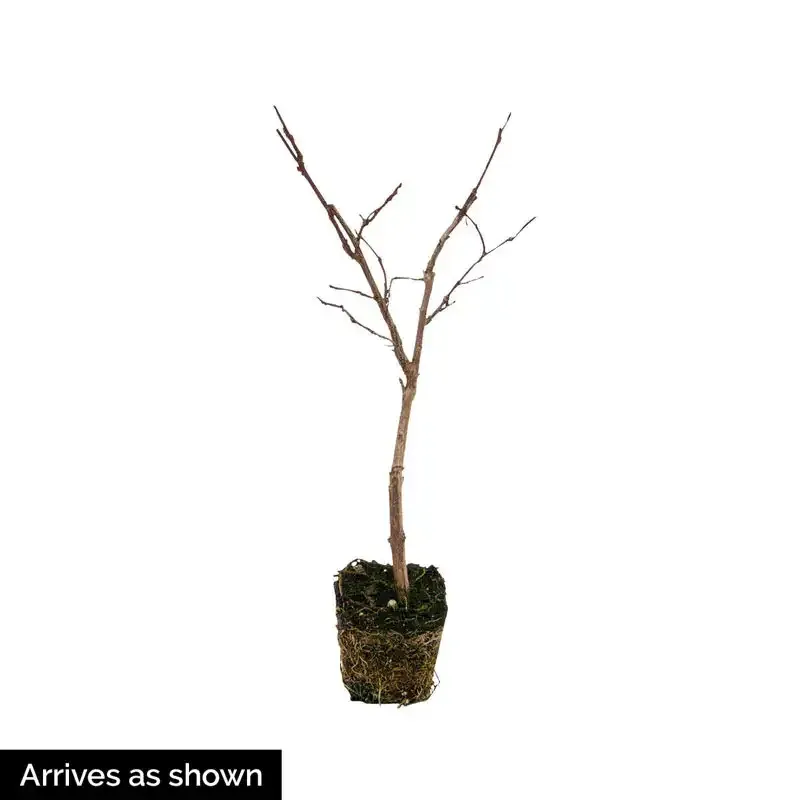
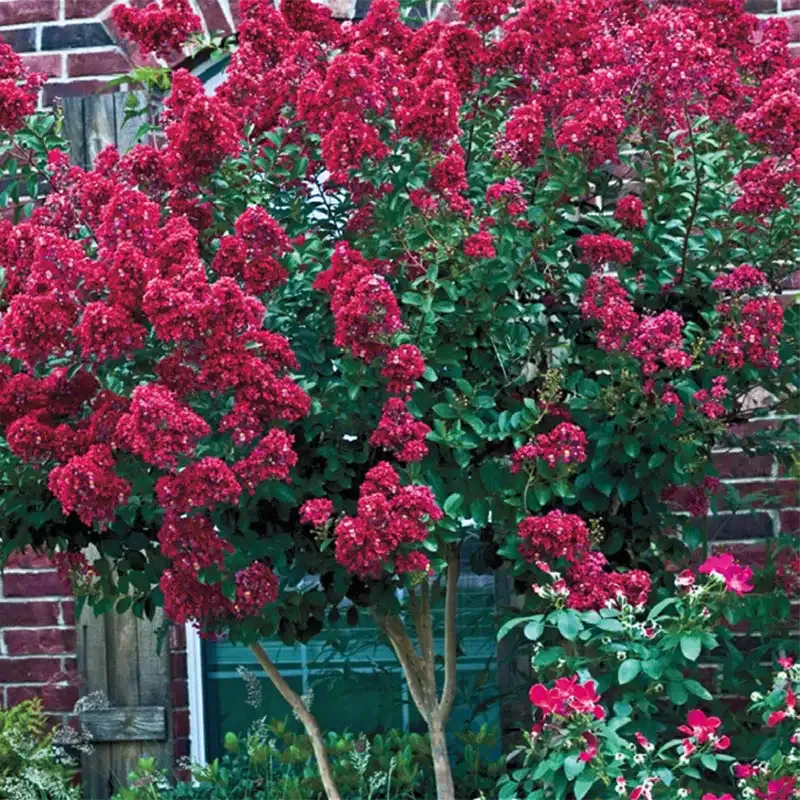
Tonto Hardy Crape Myrtle Flowering Shrub
$17.99
- Produces consistent, deep pink flower clusters throughout the summer season.
- Exhibits high resistance to powdery mildew, reducing the need for chemical intervention.
- Maintains a compact, upright growth habit suitable for smaller landscape spaces.
- Demonstrates drought tolerance once the root system is fully established.
- Features exfoliating bark that provides visual interest during dormant winter months.
Overview of the Tonto Crape Myrtle
The Tonto Crape Myrtle is a deciduous flowering shrub known for its reliable summer blooming cycle and structural versatility in landscape design. This variety is specifically noted for its ability to maintain a compact form, making it a functional choice for residential gardens, foundation plantings, or as a focal point in mixed borders.
Growth and Maintenance Characteristics
This plant is engineered for resilience, showing a notable resistance to powdery mildew, a common issue in humid climates. To ensure optimal health and bloom production, the plant requires a location with full sun exposure. Adequate light is a primary factor in maintaining the intensity of the deep pink flower color and supporting the plant's natural growth rate.
Seasonal Visual Interest
Beyond its summer flowering period, the Tonto Crape Myrtle offers year-round aesthetic value. As the plant matures, the bark exfoliates to reveal smooth, mottled layers, providing texture and color contrast during the winter season. Pruning in late winter or early spring helps maintain the desired shape and encourages vigorous new growth for the upcoming season.
Planting and Establishment
- Light Requirements: Full sun (minimum 6-8 hours daily).
- Soil Preference: Well-draining soil with moderate moisture retention.
- Watering Needs: Regular irrigation is required during the first growing season; drought tolerance increases significantly once established.
- Hardiness: Adapted to various temperate zones; consult local hardiness maps for specific regional suitability.
You May Also Like