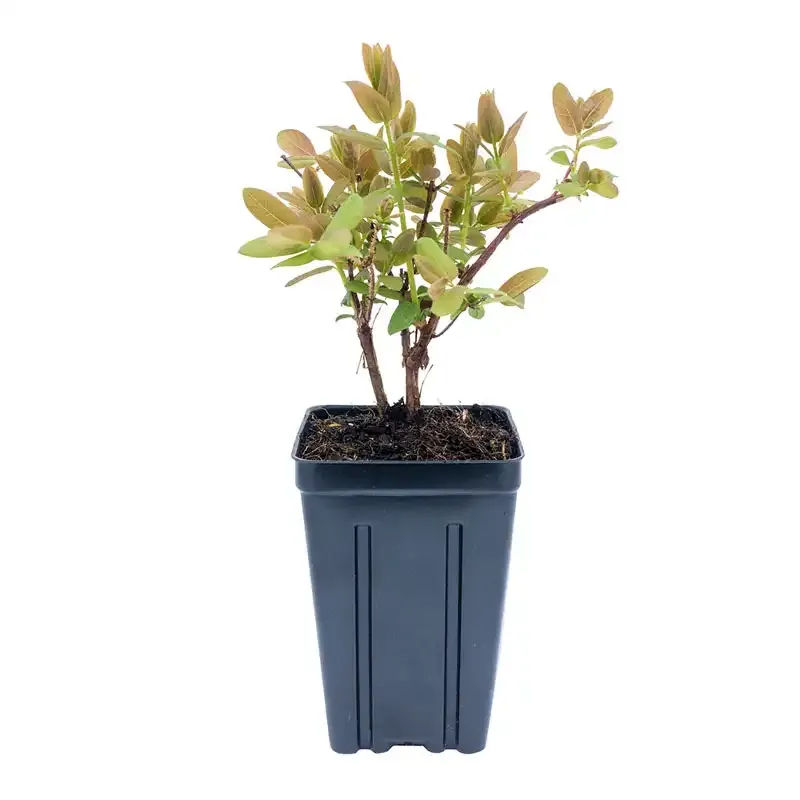
Tundra Honeyberry (Lonicera caerulea) Cold-Hardy Fruit Shrub
$24.99
- Cold-hardy variety suitable for northern climates and short growing seasons.
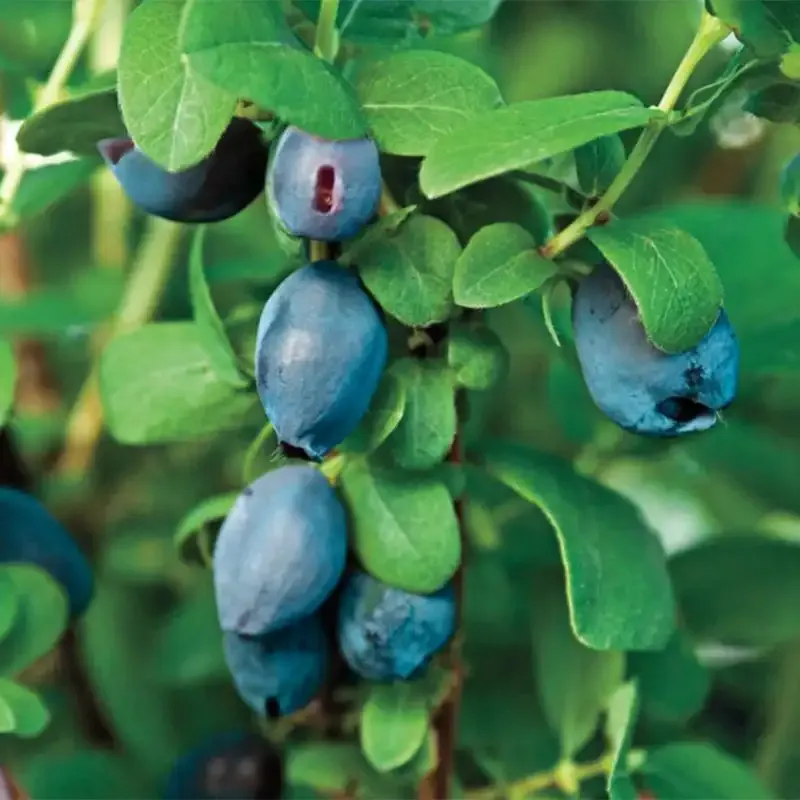
- Produces elongated, blue-colored edible berries with a balanced flavor profile.
- Compact growth habit, typically reaching 4-5 feet in height at maturity.
- Requires cross-pollination with other honeyberry varieties for optimal fruit production.
- Resistant to common garden pests and thrives in well-drained, slightly acidic soil.
Overview of Tundra Honeyberry
The Tundra Honeyberry (Lonicera caerulea) is a deciduous shrub recognized for its ability to withstand extreme cold temperatures. This variety is specifically cultivated for fruit production in regions where traditional berry crops may struggle. The plant features a sturdy, upright growth habit, making it a functional addition to home orchards and edible landscapes.
Cultivation and Growth Characteristics
This shrub reaches a mature height of approximately 4 to 5 feet. It is characterized by its early spring flowering cycle, which allows the fruit to ripen ahead of many other summer berries. To ensure consistent fruit set, it is necessary to plant the Tundra variety alongside other compatible honeyberry cultivars to facilitate cross-pollination.
Soil and Environmental Requirements
- Hardiness: Highly tolerant of sub-zero winter temperatures.
- Soil Preference: Performs best in well-drained, loamy soil with a slightly acidic pH range.
- Sun Exposure: Requires full sun to partial shade for optimal foliage development and fruit yield.
- Maintenance: Benefits from consistent moisture during the fruit development phase and light pruning to maintain plant structure.
Harvesting and Usage
The berries are identifiable by their distinct elongated shape and deep blue skin. They are typically ready for harvest when the interior flesh turns a deep purple or red. Due to the early ripening nature of the plant, protective netting is recommended to manage wildlife access during the harvest window.
You May Also Like