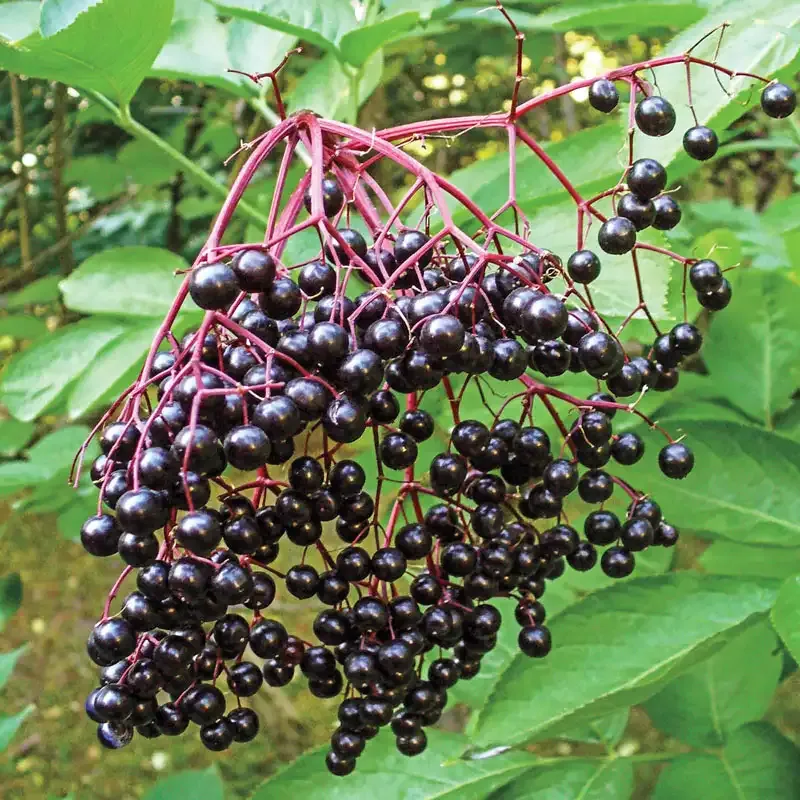
Wyldewood Elderberry Plant (Sambucus canadensis) - Fruit-Bearing Garden Shrub
$59.98
- Produces clusters of dark berries suitable for culinary applications.
- Deciduous shrub variety known for vigorous growth habits.
- Requires cross-pollination with another elderberry variety for optimal yields.
- Adaptable to diverse soil types and moisture levels.
- Hardy plant structure suitable for temperate climate zones.
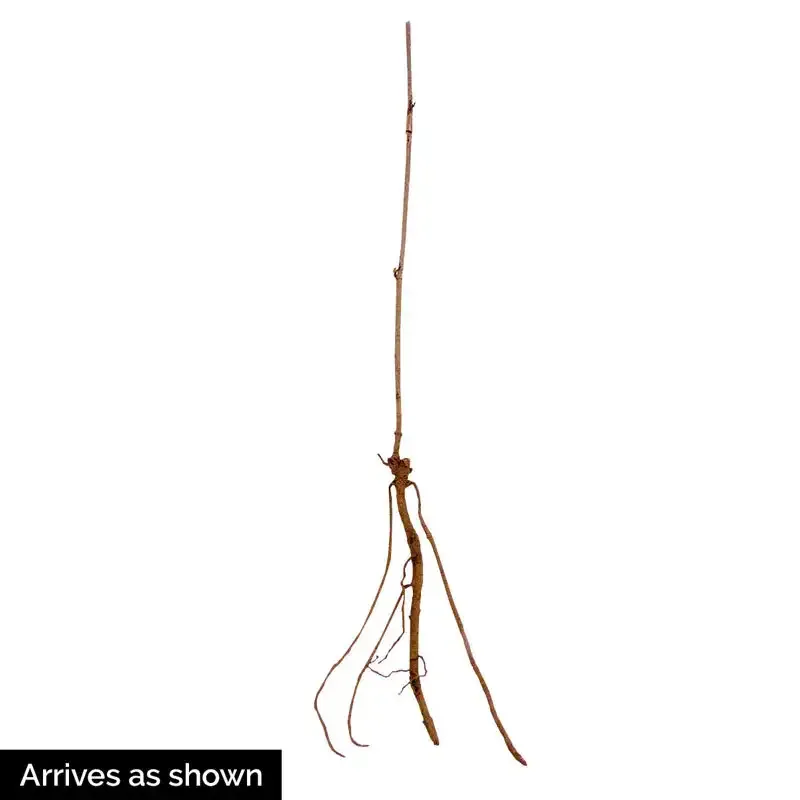
Options: Plants (Qty - 2) | Spring
Overview of the Wyldewood Elderberry Plant
The Wyldewood Elderberry (Sambucus canadensis) is a deciduous shrub valued for its consistent production of dark-colored berries. This plant is structured to thrive in temperate environments, offering a functional addition to home gardens or landscapes focused on fruit production. The plant develops a multi-stemmed growth habit, which supports the development of flower cymes that later mature into fruit clusters.
Cultivation and Growth Requirements
To ensure successful establishment, this plant requires consistent soil moisture and access to adequate sunlight. It is capable of adapting to various soil textures, provided there is sufficient drainage to prevent water stagnation. Proper spacing is recommended to allow for air circulation, which supports the overall health of the shrub as it matures.
Pollination and Fruit Production
For gardeners focused on maximizing fruit yields, it is necessary to plant more than one variety of elderberry in close proximity. The Wyldewood variety is not self-fertile and relies on cross-pollination from a different Sambucus canadensis cultivar to initiate fruit set. By planting compatible varieties, the likelihood of consistent berry development throughout the harvest season is increased.
Maintenance and Care
- Watering: Maintain soil moisture, particularly during the first growing season to assist root establishment.
- Pruning: Remove dead or damaged wood in late winter to encourage new growth in the spring.
- Soil Conditions: Prefers slightly acidic to neutral soil pH levels.
- Sun Exposure: Performs optimally in full sun to partial shade conditions.
You May Also Like